
TCM ACUPUNCTURE IN DOWNTOWN TORONTO
Rooted in Traditional Chinese Medicine and Focused on Real Results
You're here because something isn't working the way it should. Persistent pain, disrupted sleep, anxiety that won't ease, or a body that feels out of balance. Acupuncture offers a time-tested, evidence-informed path back to wellness, without relying on medication or invasive procedures.
Our registered acupuncturists practice Traditional Chinese Medicine (TCM) in downtown Toronto, treating the root cause of your condition rather than just the symptoms.
What is Acupuncture?
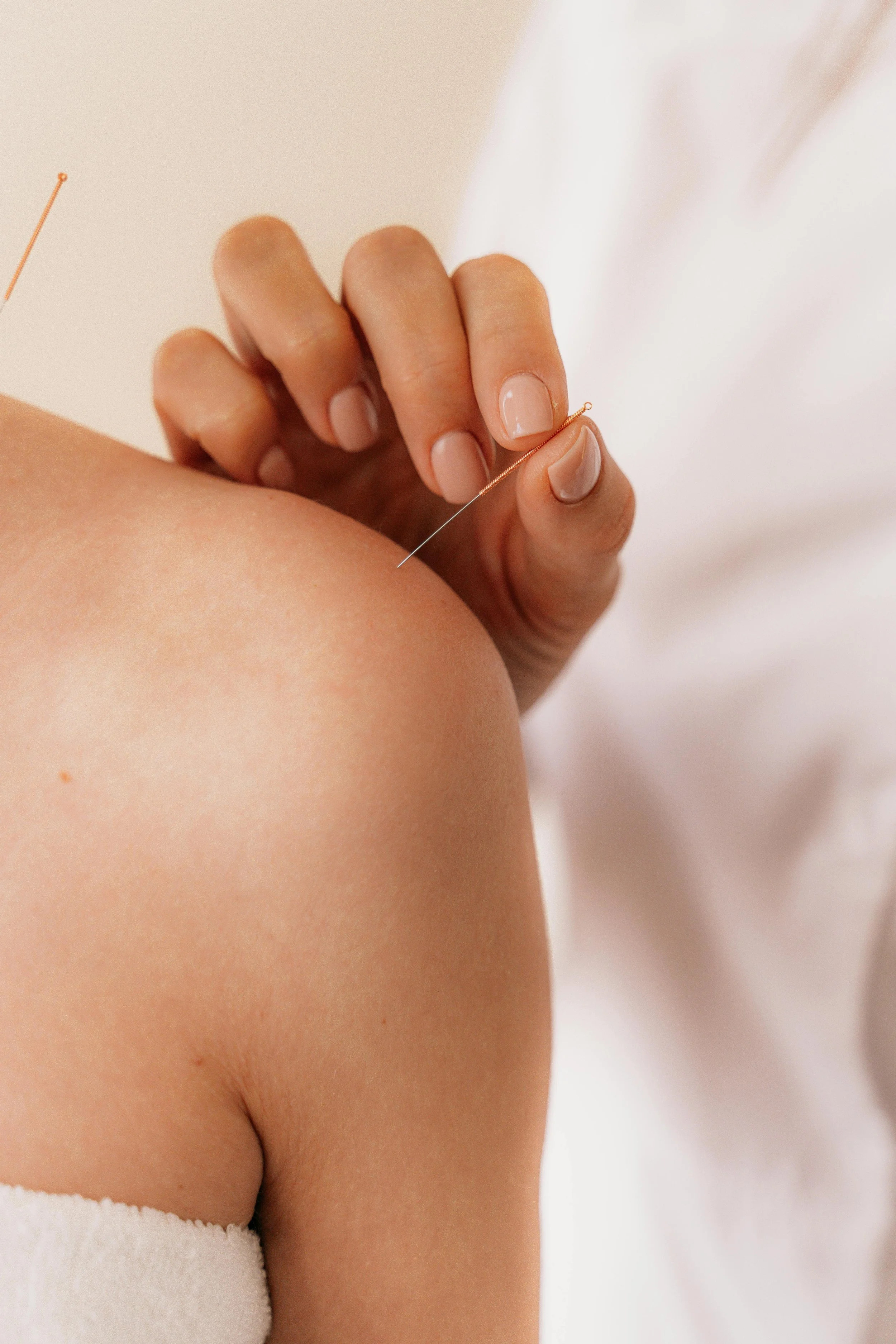
Acupuncture is a core discipline of Traditional Chinese Medicine with thousands of years of clinical history. It involves the precise insertion of fine, sterile needles into specific acupoints along the body's meridian pathways, channels through which Qi (vital energy) flows.
When Qi becomes blocked or imbalanced, the body struggles to heal and regulate itself. By stimulating targeted acupoints, acupuncture restores that flow, reducing pain, calming the nervous system, and supporting the body's natural ability to recover.
Modern research supports what TCM practitioners have long understood: acupuncture triggers measurable physiological responses, including endorphin release, reduced cortisol levels, improved circulation, and regulation of the autonomic nervous system.
How Does Acupuncture Work?
Each session begins with a thorough TCM diagnosis, including pulse and tongue diagnosis, to understand the full picture of your health rather than just the presenting complaint.
Your acupuncturist then selects specific acupoints to:
Stimulate the nervous system and encourage natural pain relief.
Reduce inflammation and myofascial tension
Regulate stress hormones and promote calm
Improve blood flow to affected tissues
Restore balance between yin and yang within the body's systems
Depending on your condition and treatment goals, your session may also incorporate complementary TCM therapies such as electroacupuncture, cupping therapy, moxibustion, or Tui Na massage, all as part of a personalized, integrated treatment plan.
Conditions We Treat
Our clinic treats a wide range of acute and chronic conditions, including:
Pain and Musculoskeletal
Back pain, neck pain, sciatica, arthritis, fibromyalgia, TMJ, carpal tunnel syndrome, sports injuries, and myofascial pain
Neurological and Headaches
Migraines, chronic headaches, Bell's palsy, and nervous system dysregulation
Mental Health and Sleep
Anxiety, depression, stress, insomnia, and nervous system regulation
Women's Health and Fertility
Fertility support, IVF preparation, PCOS, endometriosis, menopause, and menstrual health
Digestive and Chronic Health
Digestive disorders, Crohn's disease, immune support, and chronic fatigue
Inflammatory Conditions
Inflammation reduction, autoimmune support, and post-surgery recovery
Whether you're managing a long-standing condition or seeking preventive, holistic health care in Toronto, acupuncture can be an effective and natural part of your wellness plan.
Experience the Benefits of Acupuncture
Effective Pain Relief: Acupuncture is widely used for chronic pain management, with strong clinical evidence supporting its use for back pain, migraines, arthritis, and fibromyalgia. It works by targeting the body's pain pathways and reducing inflammation without side effects.
Stress and Anxiety Relief: Acupuncture stimulates the parasympathetic nervous system, lowers cortisol levels, and promotes a deep, lasting sense of calm. Many patients notice a meaningful reduction in anxiety and stress after just a few sessions.
Better Sleep: By regulating the nervous system and addressing the underlying imbalances that contribute to insomnia, acupuncture helps restore healthy, restorative sleep patterns.
Fertility and Hormonal Balance: Acupuncture is frequently used alongside IVF and fertility treatments to improve outcomes, regulate hormonal cycles, and reduce the physical and emotional stress of the process.
Immune Support and Whole-Body Wellness: Regular acupuncture treatments help regulate immune function, reduce systemic inflammation, and support your body's resilience, making it an effective tool for both treatment and prevention.
Emotional and Mental Well-Being: Acupuncture addresses the mind-body connection at the heart of TCM. Treatments help release emotional tension held in the body, support neuroplasticity, and contribute to improved mental clarity and emotional stability.
Our Practitioners
-
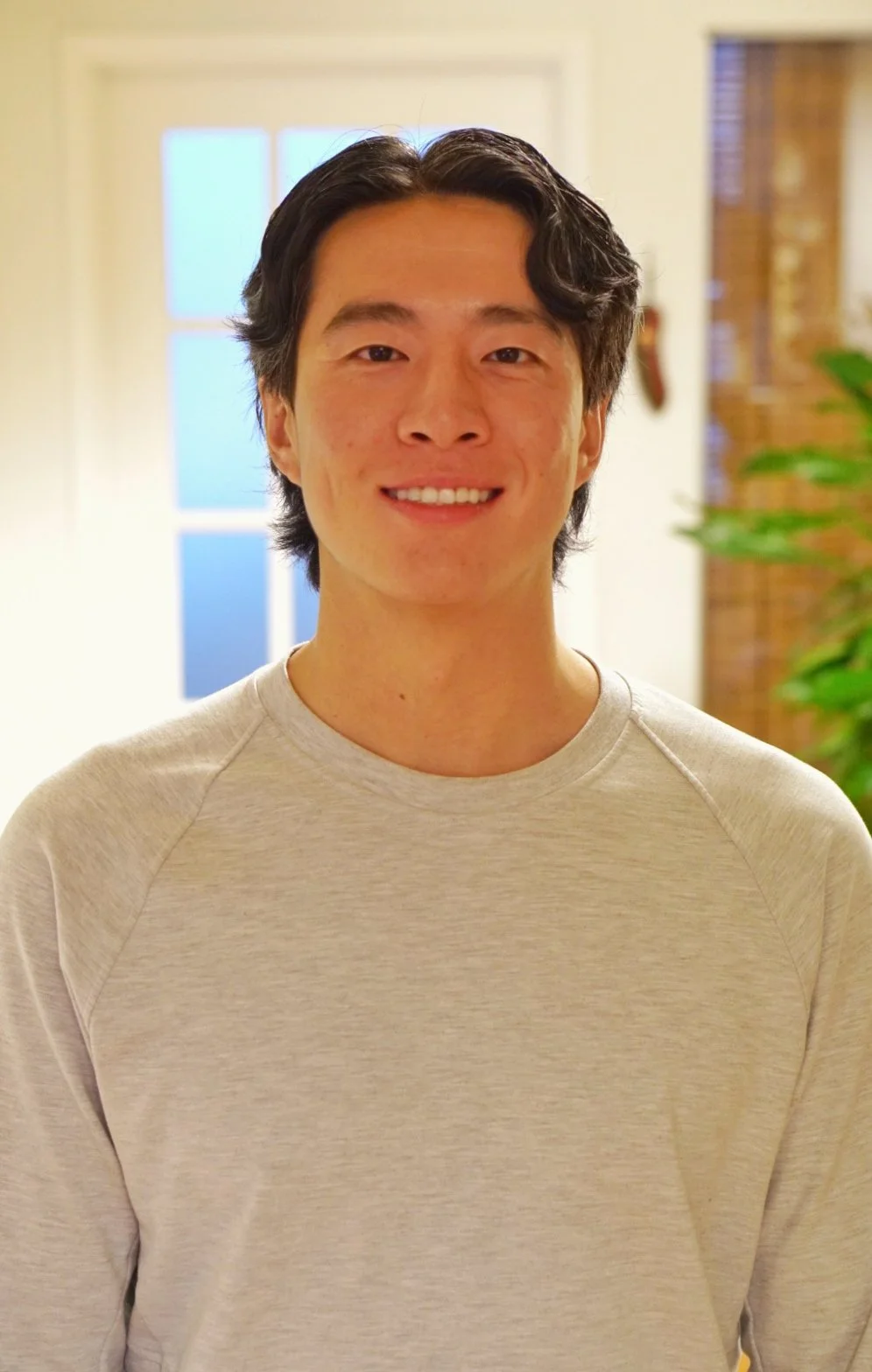
Peter Zhao
Registered Acupuncturist
-

Chris Delos Reyes
RMT & Acupuncture Provider
-

Jimena Vargas
Registered Acupuncturist
What to Expect From Your Visit (H2)
Your First Appointment
Your initial session includes a comprehensive TCM intake. We will ask about your health history, current symptoms, lifestyle, and goals. Through pulse and tongue diagnosis, your acupuncturist builds a clear clinical picture before placing a single needle.
During Your Treatment
Fine, single-use sterile needles are gently inserted at specific acupoints. Most patients feel little to no discomfort. Many describe a sensation of heaviness, warmth, or tingling, which are signs that Qi is being activated. Sessions typically last 45 to 60 minutes.
After Your Treatment
You may feel deeply relaxed, lighter, or notice immediate symptom relief. Some patients experience gradual improvement over a series of sessions, particularly for chronic or long-standing conditions.
How Many Sessions Will You Need?
This depends on your condition, how long you have had it, and how your body responds. Acute issues may resolve in 3 to 6 sessions. Chronic conditions typically benefit from a longer course of treatment. Your acupuncturist will discuss a realistic treatment plan at your first visit.
FAQ
-
You may notice improved symptoms, such as reduced pain, better sleep, and increased energy levels. As acupuncture's effects are cumulative, it can take a few sessions to feel significant changes.
-
Wear loose, comfortable clothing to an acupuncture appointment to allow easy access to arms, legs, and lower back. Practitioners commonly place needles on the forearms, hands, lower legs, and feet. Short sleeves, loose pants, or athletic wear work best. Avoid tight jeans, restrictive clothing, and heavy jewelry during treatment.
-
A typical acupuncture session lasts between 45 to 60 minutes. The duration of the effects varies, with some people experiencing immediate relief and others noticing gradual improvements over several sessions.
-
Acupuncture frequency depends on the condition being treated and symptom severity. Acute conditions often require 1–2 treatments per week for 4–6 weeks. Chronic conditions often require 1 treatment per week for 6–12 weeks. Maintenance care usually occurs once every 3–4 weeks after symptoms improve.
-
Avoid intense exercise, alcohol, and caffeine for 12–24 hours after acupuncture because these activities disrupt the body’s recovery response. Drink 500–750 millilitres of water and rest for several hours. Avoid heavy meals, hot baths, and strenuous activity for at least 6–12 hours after treatment
-
The main difference between acupuncture and dry needling is treatment purpose and medical framework. Acupuncture uses traditional Chinese medicine principles to balance energy (Qi) through specific meridian points. Dry needling targets muscle trigger points to release tight muscle bands and reduce pain. Licensed acupuncturists perform acupuncture, while physiotherapists and medical professionals commonly perform dry needling.
-
The main difference between acupuncture and electroacupuncture is electrical stimulation. Traditional acupuncture inserts thin needles into specific points to stimulate nerves and circulation manually. Electroacupuncture connects needles to a device that delivers mild electrical pulses (1–100 Hz). Electrical stimulation increases nerve activation and often improves pain relief.
-
Acupuncture usually causes minimal pain because practitioners insert very thin needles (0.12–0.35 mm diameter) into the skin. Most people feel a mild tingling, pressure, or dull ache that lasts 1–5 seconds. Pain intensity depends on needle location, practitioner skill, and individual pain sensitivity.
-
Acupuncture coverage in Ontario depends on the insurance provider and plan type. Most private extended health insurance plans cover acupuncture treatments when a licensed practitioner provides the service. Coverage typically ranges from $300–$1,000 per year. The Ontario Health Insurance Plan (OHIP) does not cover acupuncture services.
Book Your Acupuncture Appointment Today
Whether you are managing chronic pain, working through stress and anxiety, supporting your fertility journey, or simply looking to restore balance, acupuncture offers a grounded, evidence-informed path forward.
Our registered TCM acupuncturists are here to listen, assess, and develop a treatment plan tailored to you.