
Acupuncture for TMJ: How It Works, Key Points, and What to Expect
Quick Answer
Acupuncture helps TMJ disorders by relaxing the jaw muscles, reducing joint inflammation, and calming the nervous system that drives clenching and tension. Fine, sterile needles are placed at specific points on the jaw, face, neck, and hands to trigger the body's natural pain-relief response. Most people notice improvement within 4 to 8 sessions.
What Is TMJ Disorder?
The temporomandibular joint (TMJ) is the hinge that connects your jaw to your skull. When this joint or the muscles around it become inflamed, overworked, or misaligned, the result is a condition called temporomandibular disorder, or TMD.
Most people simply call it TMJ.
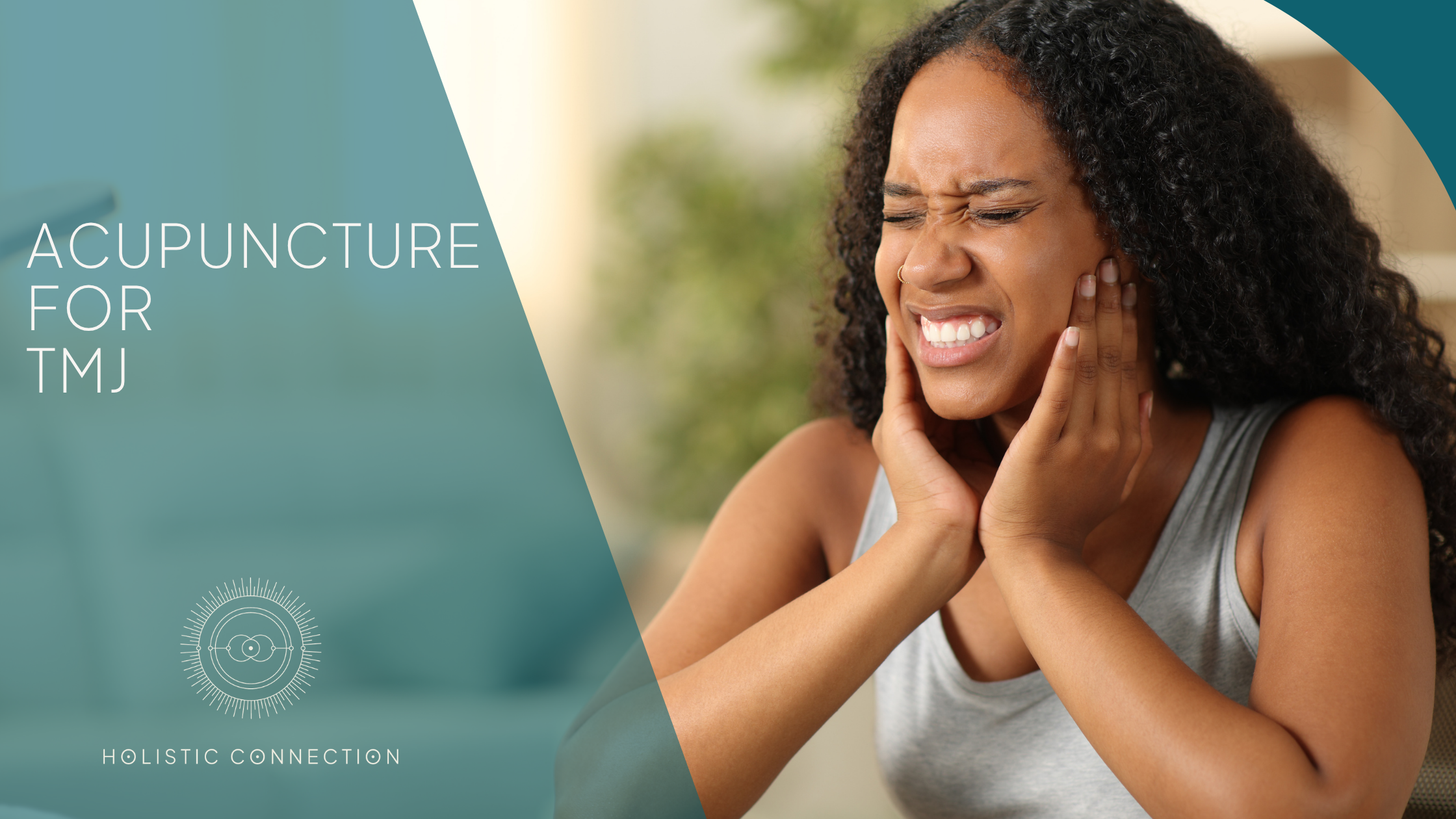
TMD affects between 11 and 33 percent of the population, making it the leading cause of pain and disability among frequently occurring facial pain conditions. And it is rarely just jaw discomfort. Common symptoms include:
Jaw pain or soreness, especially in the morning
Clicking, popping, or grinding sounds when you open or close your mouth
Headaches, often starting at the temples
Earaches or a feeling of fullness in the ears
Neck and shoulder tension
Difficulty chewing hard or chewy foods
Limited mouth opening
TMD is more frequent in people between the ages of 20 and 40, and it is twice as common in women as in men. Its causes are multifactorial. Contributing factors include parafunctional habits like bruxism and teeth clenching, trauma to the jaw, degenerative joint disease, postural changes, and hormonal influences. (source: PubMed Central)
Why So Many TMJ Treatments Fall Short
A night guard from your dentist is often the first line of defence, and it is genuinely helpful for protecting your teeth from grinding damage. But a guard sits between your teeth. It does not relieve the muscular tension causing the pain, nor does it address the stress response that is driving the clenching in the first place.
Medications can manage short-term pain but are not well-suited to long-term use. A Cochrane review found a lack of high-quality randomized controlled trials for TMD pharmacotherapy, meaning most drug treatment remains largely empirical. Surgery is reserved for extreme cases, and even then, surgery may repair or replace the joint without fully relieving the pain.
That gap between symptom management and root-cause treatment is where acupuncture tends to step in.
How Acupuncture Helps TMJ
Acupuncture involves inserting very thin, sterile needles into specific points on the body. These points are selected to simultaneously influence local tissue, the nervous system, and systemic pain pathways. For TMJ, the goal is not just to numb the jaw. It is to interrupt the cycle of tension, inflammation, and stress that keeps the condition active.
Here is what happens at a physiological level:
Muscle relaxation. The masseter and temporalis muscles (the main jaw muscles) become chronically overloaded in people with TMJ. Needling the surrounding tissue directly releases this tension, improving blood flow and reducing the stiffness that makes chewing painful.
Inflammation reduction. Acupuncture encourages local circulation, which helps clear inflammatory byproducts from the joint and surrounding tissue. This supports the repair process in a joint that is often in a state of low-grade, persistent irritation.
Endorphin and serotonin release. Stimulating the central nervous system through acupuncture is believed to trigger the release of chemicals, including endorphins and serotonin, supporting the body's natural healing capabilities. These neurochemicals reduce pain perception and improve mood, which matters because anxiety and TMJ are closely intertwined.
Nervous system regulation. By stimulating the parasympathetic nervous system, acupuncture shifts the body out of fight-or-flight mode, reducing overall tension and allowing the jaw to relax naturally.
Acupuncture is a recognized non-pharmacological option for TMD treatment and is recommended by the World Health Organization for pain management. It works not just on the joint itself but on the whole-body stress response that feeds most TMJ cases.
The Stress-TMJ Connection (and Why It Matters)
This is one of the most underappreciated aspects of TMJ, and one of the clearest reasons acupuncture is such a relevant treatment.
Most people with TMJ are not clenching because of a structural jaw problem. They are clenching because they are stressed, carrying that stress in their jaw and neck without realizing it. Common contributing factors to TMJ include chronic stress, teeth grinding (bruxism), jaw clenching, and postural imbalances, which over time lead to inflammation, restricted mobility, and persistent discomfort.
In temporomandibular disorders and bruxism, an imbalance in the autonomic nervous system (specifically sympathetic hyperactivity) contributes to muscle hypertonia and inflammation. Simply put: when the nervous system is stuck in overdrive, the jaw muscles stay braced. That brace becomes a habit. The habit becomes pain.
Acupuncture breaks this loop from both ends. It releases physical tension in the jaw while simultaneously calming the neurological state that sustains it. That is why many practitioners describe it as treating the root rather than just the symptom, especially for stress-driven TMJ presentations.
This also explains why TMJ acupuncture frequently overlaps with treatment for anxiety, poor sleep, and headaches. These conditions often share the same nervous system driver.
Key Acupuncture Points Used for TMJ
A licensed acupuncturist will choose points based on your specific symptoms, but several are consistently used in TMJ treatment. Clinical research has confirmed that these are the most commonly used.
ST6 (Jiache). Located on the jawline, this point helps relieve jaw tension and pain by targeting the masseter muscle directly.
ST7 (Xiaguan). Found in the depression in front of the ear, right where the jaw joint articulates. Clinical studies demonstrate its effectiveness in improving jaw mobility and reducing joint inflammation.
LI4 (Hegu). Located on the hand between the thumb and index finger, this is considered a master point for pain in the head and face region. It is often used in combination with local jaw points to extend and deepen the pain-relief effect.
GB20 (Fengchi). Found at the base of the skull, it helps relieve tension in the neck and jaw. This point is particularly useful for patients whose TMJ pain radiates into the neck or triggers headaches.
SI19 (Tinggong). Located in front of the ear and directly associated with the jaw joint, this point is used to relieve TMJ pain and improve jaw mobility.
A systematic review and meta-analysis confirmed that LI4, ST6, ST7, GB20, SI19, and ST36 were the most commonly used acupuncture points for treating orofacial pain and TMDs specifically.
Depending on your presentation, your practitioner may also use electroacupuncture, which delivers a gentle electrical current between needles for deeper muscle release, or auricular (ear) acupuncture, which has its own evidence base for TMJ symptom relief.
What Happens During a TMJ Acupuncture Session
Knowing what to expect makes the whole experience less intimidating, especially if you have never had acupuncture before.
Initial consultation. Your first session typically starts with a detailed intake. Your practitioner will ask about your jaw symptoms, medical history, stress levels, sleep quality, and any related issues, such as headaches or neck pain. This shapes the treatment plan.
Needle placement. You will lie comfortably, usually on your back. Fine, sterile single-use needles are placed at selected points on your jaw, face, neck, hands, and sometimes legs or feet. The needles are much thinner than a medical injection needle. Most people feel little to no discomfort. A mild tingling or dull ache at the insertion site is common and generally considered a sign that the point is active.
The treatment itself. Sessions typically last between 30 and 60 minutes, and needles remain in place while you rest. Many patients find the treatment deeply relaxing, and some fall asleep during the session.
After the session. You may notice immediate relief, or improvement may build gradually over several visits. Some people experience temporary fatigue or lightheadedness after a session, and occasionally, symptoms feel slightly more noticeable before they improve, which is part of the body's natural healing response. Both effects are short-lived.
How Many Sessions Do You Need?
There is no fixed answer, because it depends on how long you have had symptoms, how severe they are, and how your body responds. That said, clinical experience offers a general framework.
For mild or acute cases, people may experience noticeable relief within 3 to 5 sessions, especially when symptoms are stress-related or newly developed. For those with long-standing pain, 8 to 12 sessions are often needed to achieve consistent improvement. Once symptoms stabilize, occasional maintenance sessions may be recommended to manage stress and prevent recurrence.
A realistic progression for many patients looks something like this:
Sessions 1 to 2: Noticeable change in how the jaw feels, though it may be hard to describe precisely.
Sessions 3 to 4: Measurable reduction in pain, improved sleep, and less morning stiffness.
Sessions 5 to 6: Clicking decreases, the mouth opens wider, and associated headaches improve.
Sessions 7 to 8: Sustained improvement, and a maintenance plan takes shape.
Acute TMJ dysfunction may respond within 3 to 6 sessions, while chronic cases may require 8 to 12 sessions over several weeks. Each session typically lasts 30 to 45 minutes.
Your acupuncturist will reassess at each visit and adjust the plan based on your progress.
Acupuncture and Your Night Guard: Better Together
This is worth saying clearly: acupuncture and your dental night guard are not competing treatments. They work on completely different parts of the problem.
A night guard protects your teeth from damage caused by grinding. Acupuncture addresses the muscular tension and nervous system activity that drives the grinding behaviour itself. Combining both provides protection and rehabilitation simultaneously.
One study found that acupuncture, when combined with a mouth guard, improved symptoms for 18 to 20 years in some patients, suggesting the combination produces more durable outcomes than either approach alone.
If you are working with a dentist on TMJ management, acupuncture integrates cleanly into that plan. Your acupuncturist can coordinate with your dental care provider, and sessions can often be scheduled without disrupting other treatments.
What Makes a Good Candidate for Acupuncture?
Acupuncture is generally well-suited to most people with TMJ. It is particularly appropriate if:
You have tried a night guard and still experience jaw pain or headaches
Stress, anxiety, or poor sleep is a clear factor in your symptoms
You want to avoid or reduce reliance on pain medication
You are experiencing bruxism (teeth grinding or clenching) alongside joint pain
You have had TMJ symptoms for months or years without lasting relief from other approaches
You are recovering from jaw trauma and want to support the healing process naturally
Acupuncture is a safe option for people of all ages and does not interfere with other TMJ treatments, such as physical therapy, orthodontic work, or dental appliances.
It is not a replacement for a dental or medical evaluation. If you have not yet been assessed by a dentist or physician for your jaw symptoms, that should be your starting point. Acupuncture works best as part of a broader plan, not as a substitute for diagnosis.
Ready to take the next step? Book a consultation with our team to discuss your symptoms and find out whether acupuncture is the right fit for your TMJ treatment plan.
FAQ
Does acupuncture actually work for TMJ?
The research is encouraging. A randomized clinical trial published in QJM found that acupuncture provided marked pain relief and improvement in physical and emotional function for patients with TMD compared with sham acupuncture. Systematic reviews also support its use to reduce pain intensity and improve jaw mobility. Results vary by individual, but the evidence is strong enough that the World Health Organization recognizes acupuncture as a non-pharmacological option for TMD.
Is acupuncture for TMJ painful?
Most people find it comfortable, and many find it deeply relaxing. The needles used are very fine, much thinner than a blood draw needle. You may feel a mild tingling or pressure at certain points, but sharp pain is not typical. Many patients fall asleep during treatment.
Can acupuncture help with teeth grinding (bruxism) related to TMJ?
Yes. Acupuncture targets the masseter and temporalis muscles responsible for jaw movement, improving blood flow and releasing built-up tension. It also shifts the autonomic nervous system toward a more relaxed state, which gradually reduces the frequency and intensity of grinding episodes.(Source: ACA Acupuncture and Wellness)
How long does each TMJ acupuncture session last?
Sessions generally last 30-60 minutes, including consultation and needle placement. The needles themselves are typically retained for 20 to 40 minutes.
Can I use acupuncture alongside my night guard?
Absolutely. A night guard protects your teeth from physical damage. Acupuncture works on the muscular tension and nervous system activity that causes the clenching. Using both together tends to produce better results than either alone.
Are there side effects?
Side effects are generally mild. These may include minor soreness at needle sites, temporary fatigue, or lightheadedness after a session. Serious complications are extremely rare when treatment is performed by a licensed professional using sterile, single-use needles.
How do I choose the right acupuncturist for TMJ?
Look for a licensed acupuncturist with experience treating musculoskeletal and jaw conditions. Ask whether they have worked with TMJ or bruxism patients specifically. A good practitioner will take a thorough intake, explain their approach, and adjust your treatment plan as your symptoms evolve.
Does insurance cover acupuncture for TMJ?
Coverage varies significantly. Some extended health plans include acupuncture under paramedical benefits, while others do not. Check your plan directly, and ask your practitioner whether they can provide documentation to support a claim. Even without coverage, acupuncture is often more cost-effective over time than repeated specialist visits or prescription medication.
Ready to find relief from jaw pain, clicking, and TMJ headaches without medication? Contact our clinic today to book your initial consultation and start a personalized acupuncture treatment plan.