
Does Acupuncture Work? The Science, Evidence, and Honest Answers
Quick Answer
Acupuncture does appear to work for a meaningful range of conditions, particularly chronic pain. Clinical research supports its use for back pain, headaches, knee osteoarthritis, nausea, and several other conditions. How it produces results is not fully settled science. Studies suggest it influences the nervous system, triggers endorphin release, and may have placebo-related effects that themselves provide real relief. For most people, it is safe and worth discussing with a healthcare provider.
What Is Acupuncture?
Acupuncture is a practice rooted in Traditional Chinese Medicine (TCM) that has been used for at least 2,500 years. It involves practitioners inserting fine needles into the skin to treat health problems. The needles may be manipulated manually or stimulated with small electrical currents, a variation known as electroacupuncture (source: NCIHH).
In the TCM framework, health is understood as the balanced flow of vital energy, called qi (pronounced “chee”), through specific pathways in the body known as meridians. When that flow is disrupted, illness or pain is thought to follow. Acupuncture aims to restore balance by stimulating specific points along those channels.
Western medicine approaches the mechanism differently, focusing on what happens in the nervous system, muscles, and brain when needles are inserted. Both perspectives acknowledge that something is happening. The debate tends to be about what exactly that something is.
According to the World Health Organization, acupuncture is now used in 103 of 129 countries that reported data. In Canada, acupuncture has grown steadily as part of integrative and complementary care, offered in dedicated TCM clinics and alongside services such as registered massage therapy.
How Does Acupuncture Work?
This is the question researchers are still working to answer fully.
How acupuncture works is not fully understood. However, there is evidence that it may affect the nervous system and other body tissues, and that it may have nonspecific effects sometimes linked to the therapeutic relationship or a patient’s belief in the treatment.
Here is what current science points to:
Nervous system effects. Needle insertion appears to stimulate nerve endings beneath the skin. Some scientific evidence suggests this may result in pain relief by releasing endorphins, the body’s natural painkilling chemicals, and may affect the part of the brain that governs serotonin levels, a neurotransmitter involved in mood. (source: Harvard Health)
Connective tissue response. Research indicates that needles placed into connective tissue may produce localized physical effects in the treated area. This is one proposed explanation for why acupuncture sometimes provides targeted relief, particularly for musculoskeletal complaints.
Anti-inflammatory activity. Research from the University of California, Irvine’s integrative health institute suggests that acupuncture may reduce the production of inflammatory cytokines while increasing the production of anti-inflammatory cytokines. It may also activate the vagus nerve, which plays a role in signalling between the brain and the rest of the body.
Placebo and nonspecific effects. This is the most contested area. In many studies, the benefit of acupuncture has been greater when compared with no treatment than when compared with sham procedures. These findings suggest that nonspecific effects contribute to acupuncture’s benefit, though they do not explain it entirely. (source: NCIHH).
What is worth noting is that even when placebo effects are at work, the relief patients report is real. Pain relief, by definition, improves quality of life, regardless of its source.
What Does the Research Say?
The body of research on acupuncture is larger than most people realize, and the findings are more nuanced than a simple yes-or-no.
A study published in The Journal of Pain pooled results of 39 studies involving nearly 21,000 people who received either acupuncture, simulated acupuncture, or no acupuncture for osteoarthritis, headaches, or chronic pain in the back, neck, or shoulders. True acupuncture provided the greatest pain relief, and the benefits persisted for at least a year.
A comprehensive evidence review also found that acupuncture has demonstrated positive effects for at least ten conditions, including chronic pain, low-back pain, knee osteoarthritis, migraine, tension-type headache, postoperative nausea, menopausal symptoms, cancer-related fatigue, female infertility, and chronic pelvic pain.
Research also suggests acupuncture may have opioid-sparing potential, meaning it can reduce the amount of pain medication needed following surgery. This is particularly relevant in the context of Canada’s ongoing focus on reducing reliance on opioids for pain management.
That said, research quality varies across studies. Acupuncture is difficult to test in traditional double-blind formats because participants generally know whether they are receiving needles. This is a real and acknowledged limitation, not a reason to dismiss the findings, but something to keep in mind when interpreting results.
The Sham Acupuncture Question
One of the most honest complications in acupuncture research is the sham acupuncture debate, and it is worth understanding clearly.
Sham acupuncture refers to procedures designed to mimic acupuncture without the proposed active mechanism. This might mean using retractable needles that do not penetrate the skin, or inserting needles at locations not considered therapeutically relevant.
Some research found there was not much difference in chronic pain improvement between people who had actual acupuncture and those who just thought they did. Acupuncture and sham acupuncture seemed to relieve pain similarly, but both relieved pain more than medications alone.
Skeptics argue this means acupuncture’s effects are primarily placebo. Proponents point out two things. First, sham acupuncture may not be truly inert, since any needle contact with the skin may trigger some physiological response. Second, if both real and sham acupuncture outperform medication alone, then the clinical value of the experience itself deserves serious consideration rather than dismissal.
A fair reading of the evidence lands somewhere in the middle: acupuncture produces real benefit for many people, the precise mechanism is still being studied, and the therapeutic context plays a meaningful role in outcomes.
What Conditions Can Acupuncture Help With?
Studies have shown that acupuncture is effective alone or in combination with conventional therapies for a range of conditions. The strongest evidence tends to cluster around pain and certain gastrointestinal or neurological symptoms, which aligns well with why many Canadians seek it out alongside or after massage therapy.
Conditions with meaningful research support:
Chronic low-back pain
Neck pain
Knee osteoarthritis
Tension-type and migraine headaches
Postoperative nausea and vomiting
Chemotherapy-related nausea
Fibromyalgia
Menstrual pain
Menopausal symptoms
Cancer-related fatigue
Conditions with emerging or preliminary evidence:
It is important to be realistic. Acupuncture is generally considered a complementary therapy. For most conditions, it works best alongside, not instead of, conventional medical care. It should never replace urgent or necessary medical treatment, and a good practitioner will tell you exactly that.
What Happens During a Session?
If you have never had acupuncture, knowing what to expect makes the experience far less intimidating.
Generally, the acupuncturist will start by asking about your pain and other symptoms, as well as your medical and family history. They may also do a physical exam, take your pulse, and press on various parts of your body to identify swelling or sensitivity. Acupuncturists use a holistic approach, so the treatment will likely address general whole-body imbalances alongside your specific complaint.
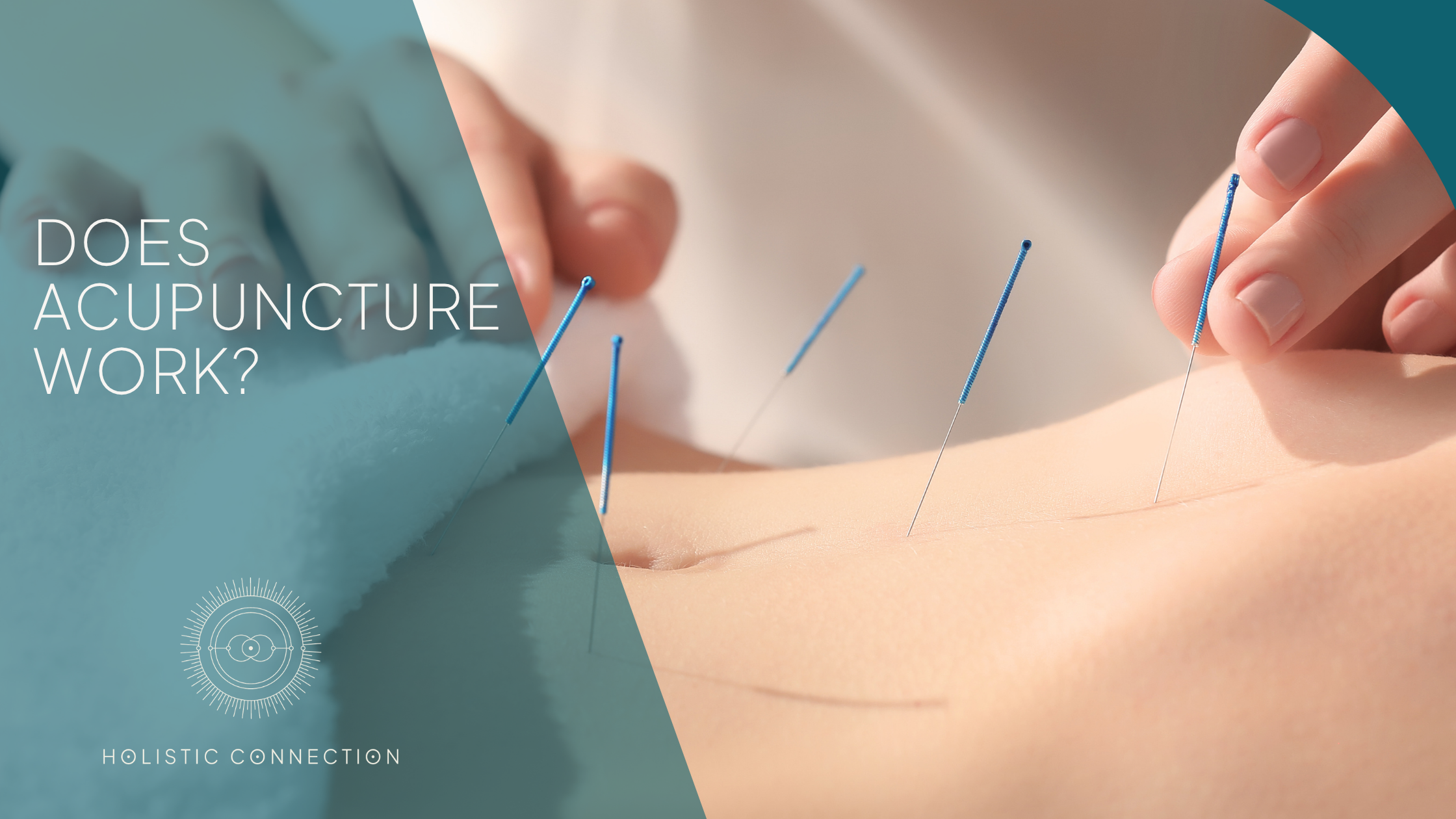
During treatment, the practitioner inserts very thin, solid steel needles into specific points. Most sessions involve between four and fifteen needles. The needles are usually left in place for about 20 to 30 minutes while you rest.
Many people find the experience more relaxing than they expect. Some people describe feeling pressure or a slight ache at the insertion point, while others say they feel relaxed or energized. Some people even fall asleep during the procedure (source: Hackensack Meridian Health)
A practitioner may also gently manipulate the needles by rotating them slightly or apply mild heat or low-level electrical stimulation, depending on the technique and the condition being treated.
How Many Sessions Do You Need?
Results vary depending on the condition and the individual. Acupuncture is rarely a one-session fix, especially for chronic conditions.
A typical course of treatment includes 6 to 12 sessions over a 3-month period. Some people notice improvement within the first few visits. Others require more sessions before meaningful changes occur.
For chronic low-back pain, research suggests benefits can persist well beyond the active treatment period. One study cited by Harvard Health found that acupuncture’s positive effects on low-back pain can last up to two years after completing treatment.
A good practitioner will typically reassess your progress after an initial set of sessions and discuss openly whether continuing makes sense for your situation.
Is Acupuncture Safe?
For most people, acupuncture is considered very safe when performed by a trained, licensed practitioner using sterile needles.
You may experience side effects like bleeding or bruising at the needle insertion site, but serious risks are few and very rare.
A few practical safety notes:
All needles used today should be single-use and pre-sterilized. This is a standard requirement under Canadian regulatory guidelines.
In regulated provinces, practitioners must meet education and clinical standards set by their provincial regulatory college.
Incorrect needle placement can cause discomfort, which is another reason to work only with a qualified professional.
Who Should Approach Acupuncture With Caution?
While acupuncture is generally safe, certain situations may require extra care or a conversation with your doctor first.
If you have a pacemaker, are at risk for infection, have chronic skin problems, are pregnant, or have breast or other implants, discuss this with your healthcare provider before pursuing acupuncture.
People on blood thinners may have a higher risk of bruising or bleeding at needle sites. This does not necessarily rule acupuncture out, but it should always be disclosed to your practitioner upfront.
How to Find a Qualified Acupuncturist in Canada
Acupuncture regulation in Canada is handled at the provincial level, so requirements vary depending on where you live.
In Ontario, acupuncturists and Traditional Chinese Medicine practitioners are regulated by the College of Traditional Chinese Medicine Practitioners and Acupuncturists of Ontario (CTCMPAO). British Columbia regulates the profession through the College of Traditional Chinese Medicine Practitioners and Acupuncturists of BC (CTCMA). Other provinces have their own regulatory bodies or are in the process of establishing them.
When searching for a practitioner, look for someone who is registered with their provincial regulatory college. In provinces where formal regulation is not yet in place, ask for evidence of recognized training and professional association membership.
In an integrated clinic setting, such as a massage therapy practice, acupuncture is often offered as a complementary service. This can be convenient for people already managing musculoskeletal conditions, as the two therapies often address overlapping concerns such as pain, tension, and recovery.
A few questions worth asking any practitioner:
Are you registered with your provincial regulatory college?
What training and credentials do you hold?
How many sessions do you typically recommend for a condition like mine?
Do you use single-use, pre-packaged needles?
Is acupuncture covered by insurance in Canada?
Most provincial health plans do not cover acupuncture as a standard benefit, though some employer-sponsored extended health benefit plans do. Coverage varies by insurer and plan. It is always worth checking your plan details before booking. Some plans require treatment to be performed by a regulated practitioner to qualify for reimbursement.
Session costs in Canada typically range from approximately $80 to $140 CAD, depending on the provider, location, and session length. Many clinics offer package rates for multiple sessions, reducing the per-session cost.
Wondering if acupuncture is right for you? Our team is here to help you decide. Book a consultation, and we will walk you through how acupuncture fits within your overall care plan.
Ready to take the next step? Reach out to our clinic to book your first acupuncture appointment or ask us whether it’s the right fit for what you are dealing with. We are happy to answer your questions before you commit to anything.
Sources consulted: National Center for Complementary and Integrative Health (NCCIH / NIH), Harvard Health Publishing, Johns Hopkins Medicine, Hackensack Meridian Health, GoodRx, UC Irvine Susan Samueli Integrative Health Institute.
Sources
National Center for Complementary and Integrative Health (NCCIH), National Institutes of Health. "Acupuncture: Effectiveness and Safety."https://www.nccih.nih.gov/health/acupuncture-effectiveness-and-safety
Harvard Health Publishing, Harvard Medical School. "Acupuncture for Pain Relief: How It Works and What to Expect."https://www.health.harvard.edu/pain/acupuncture-for-pain-relief-how-it-works-and-what-to-expect
Johns Hopkins Medicine. "Acupuncture."https://www.hopkinsmedicine.org/health/wellness-and-prevention/acupuncture
GoodRx Health. "Does Acupuncture Really Work?"https://www.goodrx.com/well-being/alternative-treatments/what-is-acupuncture-and-is-it-right-for-me
Hackensack Meridian Health. "Does Acupuncture Work?"https://www.hackensackmeridianhealth.org/en/healthier-you/2023/03/31/does-acupuncture-work
Susan Samueli Integrative Health Institute, University of California Irvine. "How Acupuncture Works."https://ssihi.uci.edu/news-and-media/blog/how-acupuncture-works/